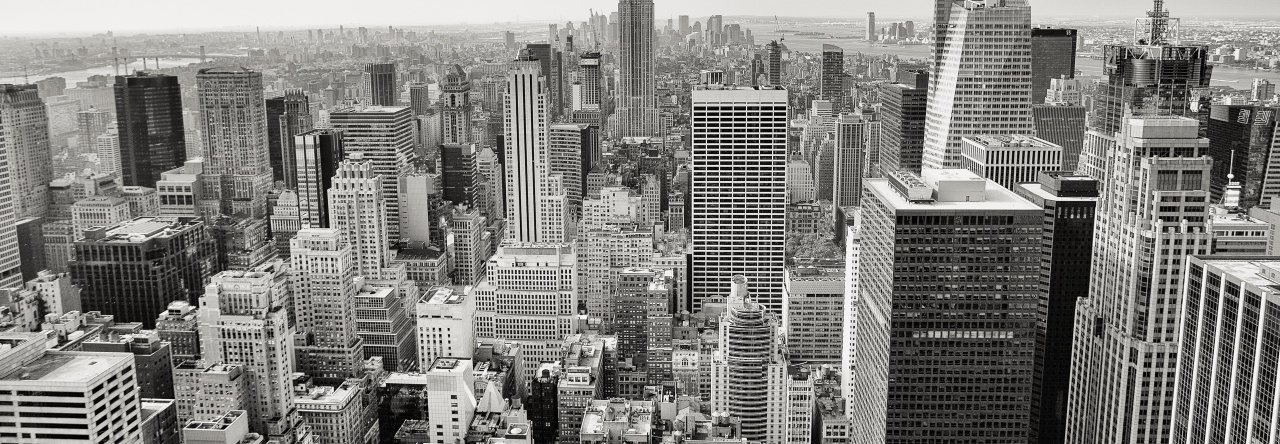

My recent visit to Las Vegas was enlightening. It was exciting to see how a thriving city can be built in the middle of hundreds of miles of uninhabited desert. The illumination of this two million plus city can be seen from the space as the brightest spot on earth. The city today has mono- rails, heliports, the international airport, thousands of buses, limousines and taxis, mega hotels, malls and theaters. The entertainment capital of the world today provides jobs to millions of people.
In contrast, India, which has potential to be the third largest economy by 2031 and would be contesting to be the world’s largest economy by 2045, is not paying enough attention in building cities like Dubai, Singapore or Las Vegas, particularly, when projected migration is expected to increase the urban population to over 40 percent by 2031 and above 50 percent by 2045.
Two decades after the passage of the 74th amendment, a significant transfer of powers and resources to municipal corporation and councils in cities is still in waiting and India ranks one of the lowest in the world in terms of local governance. The city planning and administration today is crumbling in nearly all 400 class A cities in India.
A dream of increasing per capita income of people by 20 folds in two decades can be achieved, if Indian government starts paying adequate attention to revamp the current cities and building new greener and smarter cities. It is also essential keeping in mind the number of jobs required for the additional 400 million youth who are expected to join India’s labor force in the next two decades. Once self sustained, cities are not only expected to contribute over 70 percent of India’s GDP, but would also be contributing nearly 85 percent of the tax revenue by 2031, which will provide significant funding to invigorate anti poverty and rural development programs.
It’s about time now when all cities with over a hundred thousand population should mandatorily have empowered elected municipal councils or corporations. Each of these 400 cities should have an independent planning department to develop a 2031 master plans incorporating plans for affordable housing, ring roads and intra-city roads, sewage, waste and water management agencies, department of economic development for creating employment opportunities and managing safety nets. For cities lower than half million people should team up either with similar or neighboring bigger cities to coordinate city transportation facilities.
For all 53 million plus cities, a plan should be immediately launched for metro rail/mono rail/ BRTS projects. All cities above 500,000 population should have their own city bus services. All million plus cities should be connected to the nearest similar cities through a network of expressways and to class A cities with national highways. Inter-city rapid rail projects should be initiated or accelerated. Airports in cities with over 3 million people should be upgraded to international status and all million plus cities should have at least one domestic airport within 30 km distance. Each of the million plus cities should have independent police department and a municipal commissioner reporting to the elected mayor of the city.
For sustained growth and development, Indian government needs to stop ignoring the needs of the city dwellers and assign/share revenue and power with all 400 class A cities and revitalize existing urban development programs . This will be the best economic reform that India needs today to regain its golden glory.
 Sudhir Kumar's Blog
Your articles always provide great insights. Not only they help us understand how big the gap is, hence the opportunities, but also suggest a very simple yet thoughtful solution to these gaps. Nothing is rocket science, we just need some Will.
LikeLike
Great article!
LikeLike